Alexandra Palace wedding flowers local supplier guide
Posted on 05/10/2026
Planning wedding flowers for Alexandra Palace can feel wonderfully exciting and a bit overwhelming at the same time. The venue has a real presence, so the flowers need to do more than simply look pretty; they need to work with the scale of the space, the style of your day, and the practicalities of London delivery. This Alexandra Palace wedding flowers local supplier guide walks you through what to expect from a nearby florist, how to choose arrangements that suit the venue, and how to avoid the little issues that can turn into big headaches on the morning of the wedding.
Whether you want something softly romantic, modern and sculptural, or full and lavish, the right local supplier can make the whole process calmer and more enjoyable. Truth be told, the best wedding flowers are rarely the most complicated ones. They are the ones that arrive on time, hold together beautifully, and make the room feel like your day the second guests walk in.
In this guide, you will find practical advice on supplier selection, flower choices, timing, budget planning, and the details that are easy to miss until the last minute. It is written to help you make confident decisions, not just browse inspiration boards and hope for the best.
- Why this matters for Alexandra Palace weddings
- How local wedding flower supply works
- Benefits of choosing a nearby florist
- Who this guide is for
- Step-by-step planning guidance
- Expert tips for better results
- Common mistakes to avoid
- Tools, resources and recommendations
- Best practice, delivery and venue considerations
- Options and comparison table
- Real-world example
- Practical checklist
- Conclusion
- Frequently asked questions
Why Alexandra Palace wedding flowers local supplier guide Matters
Alexandra Palace is not a small, forgettable venue. It has character, scale, and a very London kind of energy. That means your flowers are doing a lot of visual work. A simple arrangement that might look lovely in a smaller room can feel lost in a grand hall, while an oversized design can overpower the setting if it is not balanced properly.
This is why a local supplier matters. A florist who regularly works in and around north London is more likely to understand timing, access, and the kind of setup that suits larger heritage-style spaces. They are also more likely to know how to plan around transport delays, loading windows, and those awkward moments when the aisle is narrower than everyone hoped. Let's face it, wedding logistics can be a bit of a dance.
There is also the matter of freshness. Flowers are living things, and they behave differently depending on the season, the journey, and how long they are left waiting. A nearby supplier can often manage that journey more efficiently, which gives you a better chance of getting crisp petals, strong stems, and arrangements that still look lively by the time the first photos are taken.
Just as importantly, local knowledge tends to reduce stress. If your florist already knows the area, they are less likely to make assumptions about parking, loading, or timing. That sort of quiet competence is worth a lot on wedding day morning, when everybody is running slightly on adrenaline and coffee.
How Alexandra Palace wedding flowers local supplier guide Works
The process usually starts with the venue, not the bouquet. Before you choose flowers, it helps to understand the space itself: ceremony room, reception layout, table sizes, entrance areas, and any restrictions on candles, confetti, or attachment methods. Alexandra Palace weddings can vary a lot in format, so your flowers need to fit the exact event rather than a generic package.
A local wedding florist will typically ask about your date, colour palette, dress style, guest count, and any reference images you love. That sounds straightforward, but it is where the real planning starts. A good supplier listens for practical clues, not just aesthetics. For example, if you mention that the ceremony and reception are on different levels or in different rooms, they should already be thinking about transport, movement, and how the flowers will hold up between spaces.
From there, the florist may suggest a combination of statement pieces and smaller supporting designs. For a venue like Alexandra Palace, that often means bridal bouquets, bridesmaid bouquets, buttonholes, table arrangements, and perhaps focal displays for the ceremony or entrance. The right mix depends on how much visual impact you want and how much of the budget you want to allocate to flowers versus other parts of the day.
If you want to explore wedding-specific ranges, it can help to compare options such as wedding collections, bridal bouquets, and table arrangements. Those pages are useful as a starting point when you are trying to turn a Pinterest mood into something actually deliverable.
Then comes the detail stage: flower varieties, colour matching, size, delivery schedule, installation, and what happens after the ceremony. Some couples want flowers that can be repurposed from aisle to dining tables. Others want one dramatic moment at the start of the day and do not care much about reusing stems later. Both are fine. The key is deciding early, before the plan gets muddy.
Key Benefits and Practical Advantages
Choosing a local florist for Alexandra Palace brings a few practical advantages that are easy to overlook when you are busy choosing dresses and tasting cake. Some are obvious, and some only become obvious when something is about to go wrong.
- Shorter travel time for flowers: less time in transit usually means better condition on arrival.
- Faster communication: a nearby supplier is often easier to meet, call, or brief in person.
- Better venue awareness: local florists are more likely to understand access points and timing around north London events.
- More flexible problem-solving: if there is a last-minute tweak, a local team is generally better placed to help.
- More realistic design planning: local suppliers can advise on what works in the venue rather than just what looks good online.
There is also a calmness factor. A florist who knows the area can often speak with more confidence about the actual day flow: what time the flowers should arrive, how long installation may take, and whether the display can be moved from one part of the venue to another without becoming a collapse-in-progress. That may sound dramatic, but flowers and wedding mornings are not always the best of friends.
If you are comparing styles, it can help to think in terms of what the flowers need to do. Are they there to frame photographs, soften a large room, echo the bridesmaids' dresses, or bring warmth to an otherwise minimal scheme? That question tends to sharpen decisions quickly.
Who This Is For and When It Makes Sense
This guide is for couples who want wedding flowers that feel carefully chosen, not thrown together. It is especially useful if you are planning an Alexandra Palace wedding and want a supplier who can handle the practical side without making the process feel cold or corporate.
It makes sense if any of the following sounds familiar:
- You want local delivery and setup rather than dealing with a distant supplier.
- You have a clear venue but are not yet sure how much floral impact you need.
- You want to stay in control of your budget without sacrificing style.
- You are trying to match florals with a specific colour scheme or seasonal theme.
- You need reliable timing for a wedding day with multiple moving parts.
It also helps if you are the person in the couple who is quietly doing the spreadsheet while everyone else says things like, "We'll just know when we see it." You know the type. Floristry is beautiful, yes, but it is also logistics, stem choice, water supply, vehicle access, and a fair amount of patience.
If you are already looking at wedding-friendly arrangements, the following can be helpful as part of your shortlist: bridesmaid bouquets, buttonholes, and corsages. Those smaller pieces are often what make the whole scheme feel coordinated.
Step-by-Step Guidance
Here is the simplest way to approach the process without getting lost in flower jargon or too many mood boards.
- Start with the venue layout. Decide where flowers will have the biggest impact: ceremony entrance, aisle, top table, guest tables, bar area, or photo spots.
- Choose a style direction. Keep it broad at first. Think romantic, classic, modern, seasonal, wild, minimal, or luxury rather than naming fifty separate flowers.
- Set your budget range early. A supplier can work much more effectively if they know whether you want a simple elegant plan or a fuller installation with statement pieces.
- Ask what is in season. Seasonal flowers usually give better value and a more natural look. They can also be less stressful to source.
- Confirm what is being delivered. List each item clearly: bouquet, buttonholes, table arrangements, ceremony pieces, delivery location, and setup requirements.
- Check timing in writing. You need to know when flowers will arrive, who will receive them, and whether the florist will collect or move anything later.
- Review the final design before the wedding. A clear proposal with flower types, sizes, and colours helps avoid misunderstandings.
A simple real-world example: if you are getting married in the afternoon and the reception begins soon after, you do not want a supplier arriving in a vague "mid-morning-ish" window. That sort of wording feels fine until the doors open and nothing is in place. Be specific. Be kindly specific.
For couples who like a more coordinated look, a wedding collection can help the planning feel less piecemeal. You may want to compare options such as the one wedding collection, forever yours wedding collection, or white wonders wedding collection. Collections are not mandatory, of course, but they can make choices easier when you are juggling ten other decisions.
Expert Tips for Better Results
In our experience, the best floral plans are the ones that respect both the design and the day itself. Pretty matters. Practical matters too.
1. Think about movement, not just appearance. A bouquet should look beautiful in the mirror, yes, but it also needs to work in the hand, in photographs, and while moving between rooms. Heavy stems or awkward shapes can become surprisingly tiring. You notice these things by about hour three.
2. Use one strong floral idea instead of five competing ones. A clear colour story, a seasonal flower family, or a consistent shape often looks more elegant than trying to include every favourite bloom. Less clutter, more impact.
3. Match scale to venue size. Alexandra Palace can handle bolder designs than a small restaurant or registry room. That does not mean everything should be giant, but it does mean the flowers should feel intentional and visible.
4. Don't ignore scent. Some flowers are strongly scented, which can be lovely or a bit much depending on your venue, the season, and whether guests are seated close together. If you are sensitive to fragrance, say so early.
5. Plan for photos. Your flowers will be photographed constantly. Ask how the bouquet and table pieces will read from the front, side, and above. A design that looks lovely in person should not disappear in the frame.
One useful trick is to bring the florist a fabric swatch, bridesmaid dress colour, or a photo of your suit, tie, or room styling. Tiny details help. A cream that is slightly warm can clash with a cooler ivory under event lighting, and nobody wants an unnecessary colour debate at final sign-off.
If sustainability matters to you, ask what the supplier does with packaging, sourcing, and waste. There is no need to make the planning heavy, but a thoughtful florist should be able to explain their approach in plain English. If you want to read more about the business side of that, the site's sustainability page is a useful reference point.
Common Mistakes to Avoid
Wedding flower mistakes are rarely dramatic at the planning stage. They usually start as something small: a vague brief, a late request, a missing measurement. Then suddenly the florist is trying to solve a puzzle with half the pieces missing. Not ideal.
- Booking too late: the best suppliers get busy, especially for peak wedding dates.
- Choosing from images only: photos are helpful, but they do not replace a venue-aware conversation.
- Not checking table sizes: centrepieces need to fit the space, not crowd it.
- Ignoring transport and access: if the florist cannot unload efficiently, the whole schedule can slip.
- Overstuffing the design brief: too many flower types can dilute the overall look and increase cost.
- Forgetting buttonholes and smaller pieces: these are easy to miss and very noticeable when absent.
Another common issue is expecting flowers to do everything. They can transform a room, but they cannot fix a lighting plan that is far too dim or a table layout that leaves no room for plates. A good florist may gently mention this, and it is worth listening. That sort of honesty is a good sign, not a nuisance.
Also, don't assume a "cheap" option will always be cheaper in the end. If it arrives late, needs emergency replacements, or looks undersized in a large venue, the real cost is bigger than the invoice. If budget is tight, it is smarter to prioritise the features that matter most and keep the rest simple.
Tools, Resources and Recommendations
You do not need fancy software to plan wedding flowers well, though a few simple tools can make the process much easier.
- Venue layout or floor plan: even a rough version helps the florist understand scale and placement.
- Colour references: save a small, curated board rather than dozens of mixed ideas.
- Budget notes: keep a clear list of priorities so you know where to spend and where to save.
- Photo references: use a few examples of bouquet shape, table style, and overall mood.
- Timing checklist: note ceremony time, delivery window, and supplier contact details in one place.
For wedding-related product ideas, you may find it helpful to browse I Cherish You wedding collection, Pure Romance wedding collection, or a simpler focal choice like The Perfect Match bridal bouquet. Those kinds of pages can help you narrow the visual direction before you speak with a supplier.
If you are planning other gifts or add-ons for the wedding party, the site's broader categories such as wedding gifts can be useful too. It is often the smaller touches that make the day feel complete, and sometimes they help avoid that awkward "oh, we forgot the thank-you bit" moment.
Law, Compliance, Standards, or Best Practice
For wedding flowers, the most relevant part of compliance is usually practical best practice rather than heavy regulation. Still, a good supplier should operate professionally, communicate clearly, and respect venue rules.
In London venues, and especially at a prominent location like Alexandra Palace, it is sensible to confirm:
- delivery access and unloading arrangements
- setup windows and any venue contact details needed
- whether floral mechanics, stands, water sources, or attachments are permitted
- what happens if the schedule changes on the day
- how the florist handles fragile items in transit
It is also best practice to request written confirmation of what is included in the quote. That should cover flower types or style direction, quantities, setup, delivery, collection if relevant, and any extra charges. Small misunderstandings can become expensive very quickly, especially if a couple assumes installation is included when it is not.
On the business side, a trustworthy florist should have clear terms, payment guidance, and sensible policies around changes or substitutions if certain stems are unavailable. Flowers are seasonal, and substitutions are normal. The key is that they are made transparently and with the agreed style in mind.
If you want to check site-level policies before ordering, the relevant pages for payment, delivery, and terms are available on the website. Those are boring bits, perhaps, but they matter. Boring can be comforting.
Options, Methods, or Comparison Table
When planning Alexandra Palace wedding flowers, most couples end up choosing one of three broad approaches. Each has strengths, and the right option depends on budget, style, and how hands-on you want to be.
| Approach | Best for | Advantages | Trade-offs |
|---|---|---|---|
| Fully bespoke design | Couples with a strong vision or complex styling needs | Most tailored, most flexible, can suit the venue beautifully | Usually takes more time and planning, can cost more |
| Curated wedding collection | Couples who want coordination with less decision fatigue | Clearer choices, easier budgeting, cohesive look | Less room for ultra-specific changes |
| Simple highlight pieces | Budget-conscious couples or smaller wedding formats | Affordable, elegant, less complicated to manage | Less visual impact across the venue |
As a rule of thumb, bespoke works best when the flowers are part of the overall event design, not just decoration. Collections work well when you want reassurance and speed. Simple highlight pieces make sense when you want to keep things elegant without covering every table in blooms.
For example, a couple using a fuller collection may pair a bridal bouquet with matching bridesmaid bouquets, buttonholes, and table arrangements. A simpler route might focus on a standout bouquet and a few neat table pieces. Both can be lovely. The right answer is the one that suits your day, not the one that sounds flashiest in a brochure.
Case Study or Real-World Example
Here is a realistic example based on the sort of planning couples often do for Alexandra Palace.
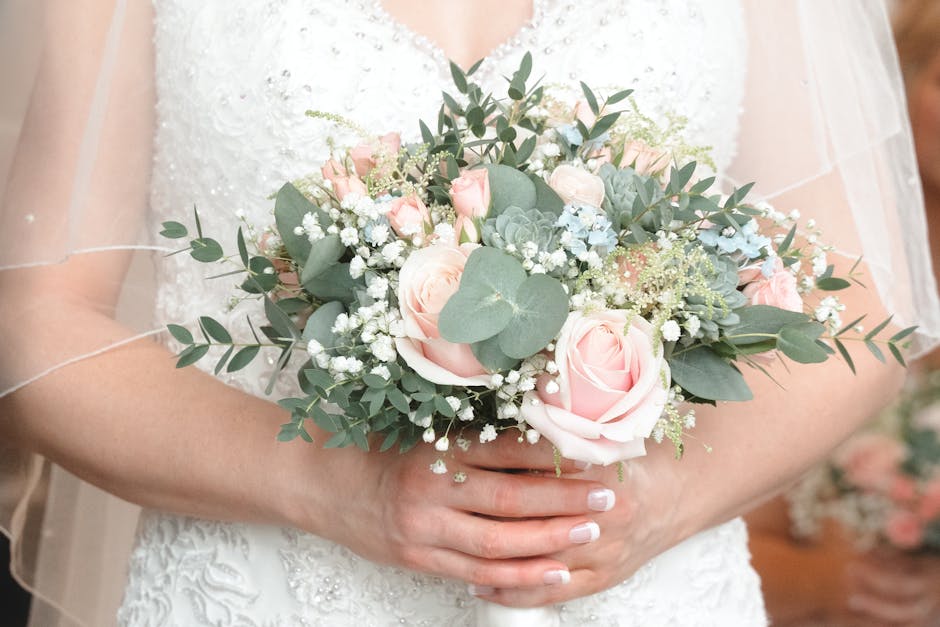
A couple wants a late-spring wedding with a soft palette of whites, blush pinks, and a little green. They have a ceremony and reception at the same venue, so they want the flowers to move smoothly from one part of the day to the next. Their initial idea is to place flowers everywhere, but after a proper discussion with a local florist, they decide to focus on the spaces that will matter most: the bridal bouquet, a few statement ceremony pieces, matching bridesmaid bouquets, buttonholes, and table arrangements for guest tables.
The florist suggests keeping the ceremony designs reusable so they can be moved into the reception area after the vows. That means the couple gets a stronger visual impact without doubling the budget. The bouquet is made slightly fuller than first planned because it will appear in lots of photographs against the larger venue backdrop. The table flowers are kept lower and softer so guests can talk without leaning round them.
On the day, the flowers arrive early enough for a calm setup. Nothing is rushed. The ceremony space looks polished, the reception feels cohesive, and the couple later says the best part was not the flowers themselves, but how un-fussy the whole process felt. That is usually the goal, really. Beautiful, yes. Chaotic, no.
In a case like this, a compact yet coordinated set from the wedding range can work well. A bridal bouquet, bridesmaid bouquets, and matching buttonholes can be enough to give structure to the whole design without making the event feel overloaded. If you want to compare, look at options such as I Cherish You bridal bouquet, I Cherish You bridesmaid bouquet, and white rose groom buttonhole.
Practical Checklist
Use this checklist before you confirm your florist. It keeps the planning grounded.
- Have you confirmed the exact venue spaces where flowers are needed?
- Do you know your colour palette and general style direction?
- Have you set a realistic budget range?
- Have you checked delivery access and setup timing with the venue?
- Have you listed every item you need, including smaller pieces?
- Have you asked which flowers are seasonal for your date?
- Have you reviewed how substitutions will be handled?
- Have you asked whether arrangements can be repurposed later in the day?
- Have you checked that the quote includes delivery and installation if needed?
- Have you saved one clear contact point for the wedding week?
If the answer is no to two or three of these, that is fine. Most people are not born with wedding logistics already sorted. But the checklist helps you catch the gaps before they become the sort of thing you remember at 7:15am on the wedding morning.
Expert summary: the best Alexandra Palace wedding flowers are the ones that suit the venue scale, travel well, match the day's timing, and feel calm to organise. Beauty matters, but reliable delivery and clear planning matter just as much.
For a full floral order that covers the day neatly, you may also want to compare wedding table arrangements with buttonholes and corsages so the whole look feels consistent from the ceremony onward.
Conclusion
Choosing a local florist for Alexandra Palace is about much more than convenience. It is about getting flowers that suit the venue, arrive in good condition, and fit the pace of the day without fuss. A thoughtful supplier will help you balance design, budget, and practicality so your flowers feel elegant rather than stressful.
If you remember only one thing from this guide, let it be this: start with the venue, choose with purpose, and keep the plan clear. Alexandra Palace deserves flowers with presence, but they do not need to be complicated to be beautiful.
Get a free quote today and see how much you can save.
When the flowers are right, the room softens, the photos lift, and everything just feels a little more like the day you had in your head. That quiet feeling is worth planning for.
Frequently Asked Questions
How far in advance should I book Alexandra Palace wedding flowers?
As early as you can, especially for popular dates. Many couples start florist conversations months ahead so there is time to refine the brief, confirm availability, and avoid rushed decisions later.
What flowers work best for an Alexandra Palace wedding?
That depends on the season, colour palette, and the size of the designs you want. In general, flowers that hold well, photograph beautifully, and suit a larger venue scale tend to work best.
Should I choose a local florist or a national online seller?
For a venue-based wedding, a local florist usually has the edge because they are more likely to understand delivery logistics, setup timing, and the venue's practical requirements.
Can wedding flowers be moved from the ceremony to the reception?
Often, yes. Many couples reuse ceremony arrangements later in the day. A florist can advise which pieces are suitable for moving and how to do it safely.
How do I keep wedding flower costs under control?
Focus on the items that matter most, choose seasonal flowers where possible, and avoid overcomplicating the brief. A strong plan with fewer, better-placed arrangements often works better than trying to fill every corner.
What should I ask a wedding florist before booking?
Ask about availability, delivery timing, setup, venue experience, seasonal flowers, substitution policy, and whether the quote includes installation or collection. Clear questions save awkward surprises.
Do I need matching bridesmaid bouquets and buttonholes?
No, but they do help the wedding feel cohesive. Even a subtle match in colour or flower type can tie the whole look together without making everything too uniform.
What if my favourite flower is out of season?
A good florist should suggest alternatives with a similar shape, colour, or feel. Often the replacement ends up looking more natural and working better for the date anyway.
How many table flowers do I need?
That depends on your table layout, guest count, and how much visual impact you want. A florist can help work this out using your floor plan or a rough table list.
Are wedding flower collections better than bespoke designs?
Neither is automatically better. Collections are great for clarity and speed, while bespoke designs give you more flexibility. The right choice depends on how specific your vision is.
What details do I need to give my florist?
At minimum, share your date, venue, ceremony time, style preferences, colour palette, budget, and any images you like. If you have dress swatches or venue photos, even better.
Can a local florist help with other wedding items too?
Yes, many florists can assist with add-ons such as gifts, corsages, buttonholes, and smaller coordinated pieces. It can be handy to keep everything under one roof, so to speak.